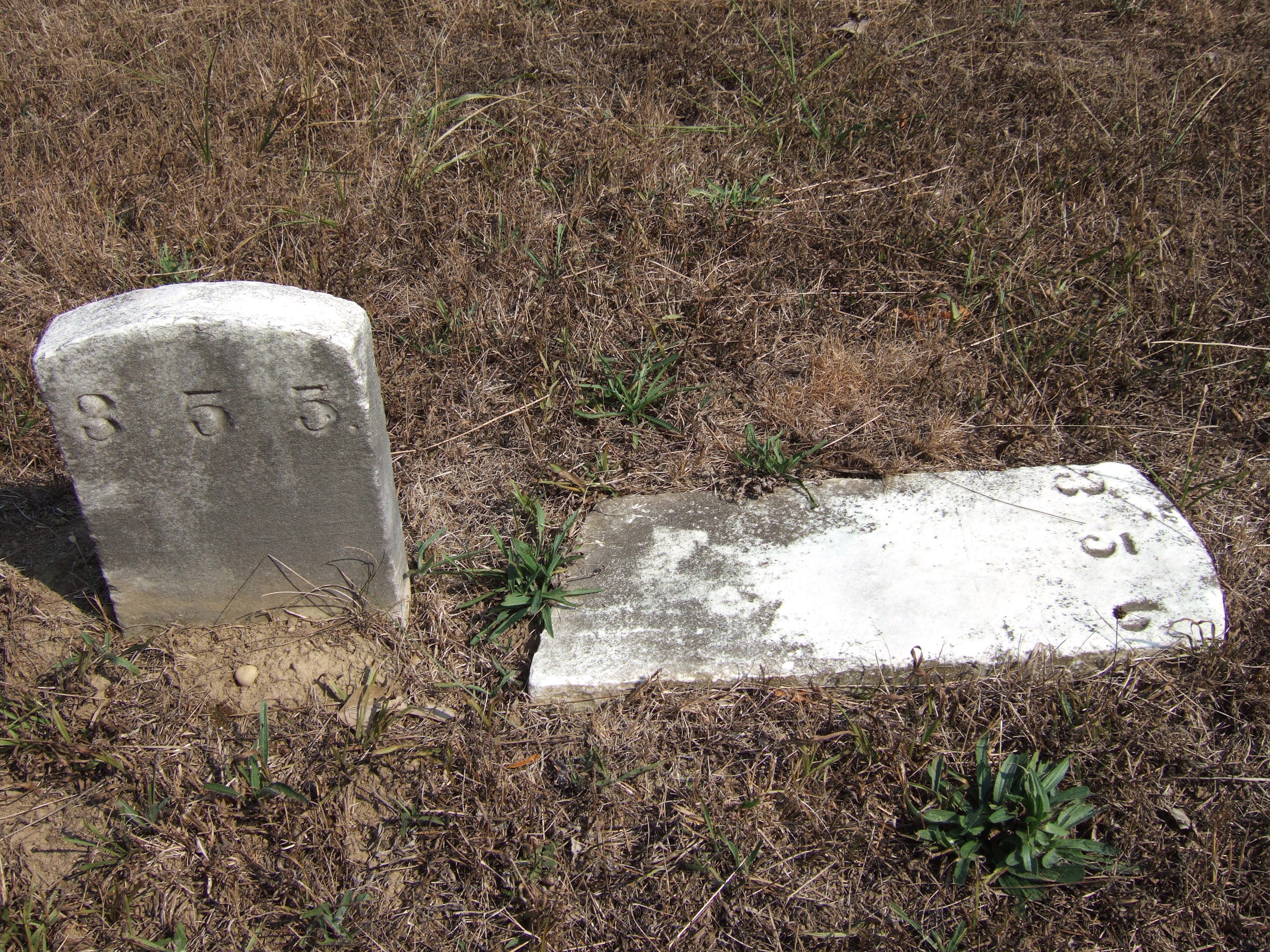
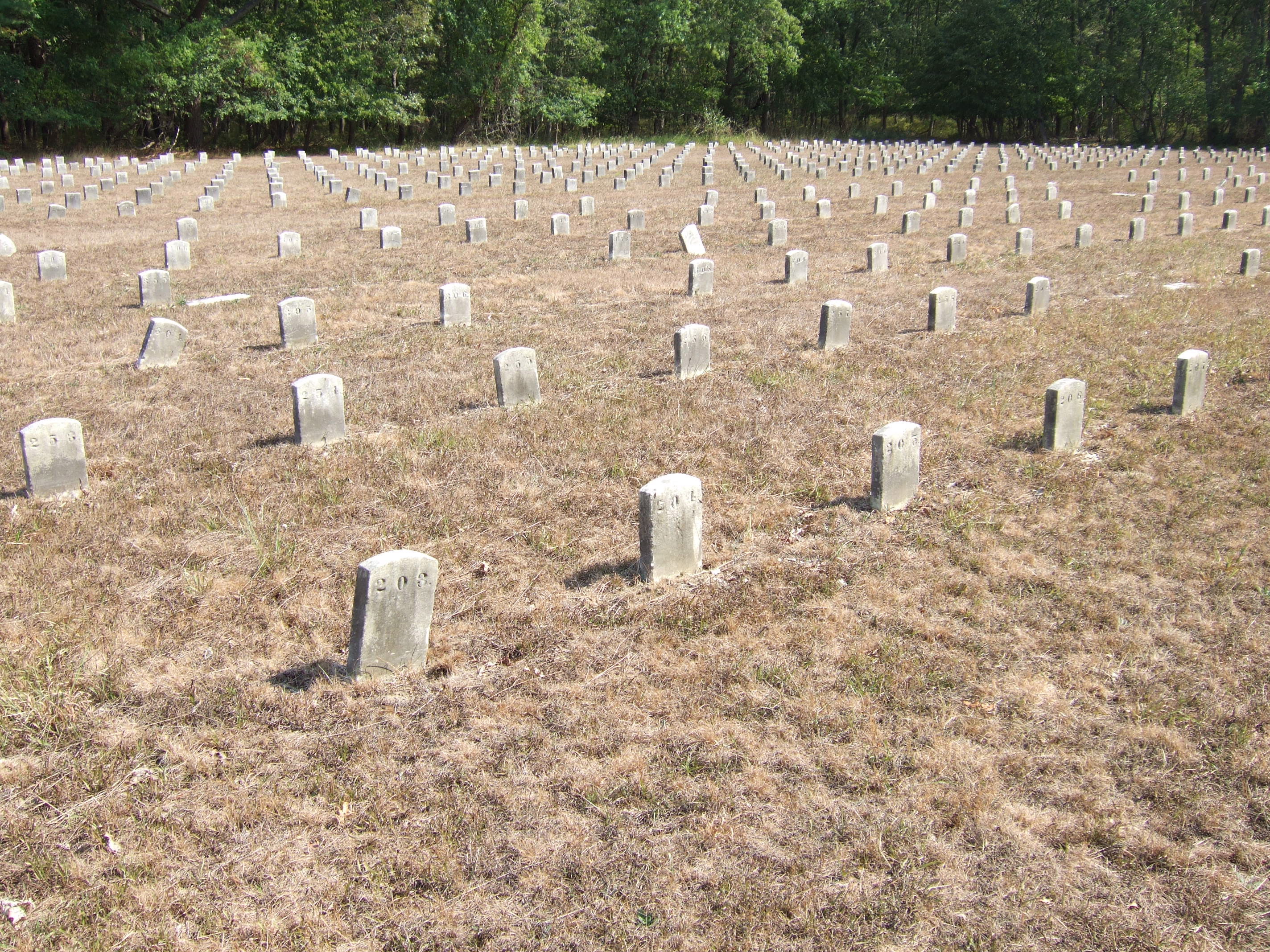

The Suffolk County Poor House, as it was originally known, was established to care for the poor. According to the Public Works Administration publication, The End of Journey's End," the Poor House became a "catch-all for for all types of wasted humanity. Criminals, lunatics, cripples- all were herded under the same roof with the poverty-stricken." The Poor House was the solution to a wide range of social ills. No consideration was given to either the person who was called an "inmate," or to the cause of his or her problem. The records in the collection, as well as the numbered headstones in the cemetery in Yaphank, are a reflection of the historical social attitudes. In 1929 New York State mandated that all institutions called a poor house or an almshouse change their names. As a result the Suffolk County Almshouse changed its name to the Suffolk County Home.
Associated with the Almshouse and the Suffolk County Home was a farm where many residents worked. The farm and the hay barn are currently operated by Cornell Cooperative Extension of Suffolk County.
SCOPE and CONTENT NOTE
The records from the Suffolk County Almshouse include several bound volumes, a map of the cemetery, a folder with a listing of the people buried in Potter's Field and several volumes in poor condition. Most records cover the period from 1871-1953. References in the records cover earlier periods as well.
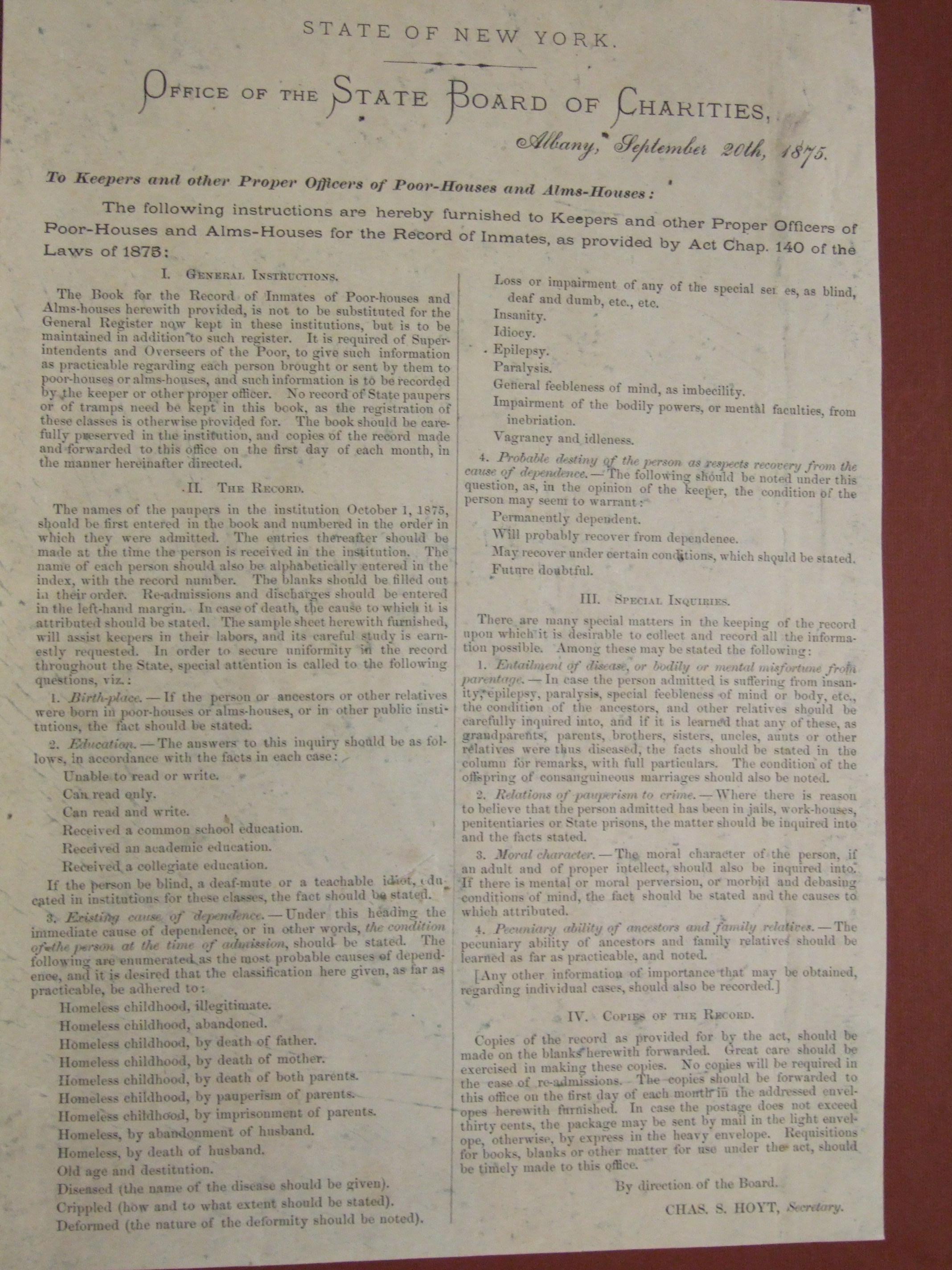
There are six series in the collection. They are the Records Requirements for Almshouses and Poor Houses in New York State 1875, Admission Records, Death and Cemetery Records, a Register of Pauper Indians, and Financial Records.